

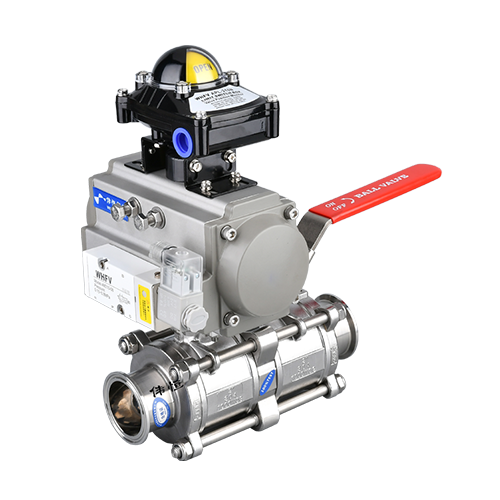
Industrial Globe Valve Maintenance Checklist: A Comprehensive Guide
Industry Background and Market Demand
Globe valves are critical components in industrial fluid control systems, widely used in oil and gas, power generation, chemical processing, and water treatment. Their ability to regulate flow with precision makes them indispensable in high-pressure and high-temperature applications.
The global industrial valve market is projected to grow at a CAGR of 4.5% from 2023 to 2030, driven by aging infrastructure upgrades and stricter regulatory standards. Proper maintenance of globe valves ensures operational efficiency, reduces downtime, and extends service life—key concerns for plant managers and maintenance engineers.
Core Concepts and Key Technologies
A globe valve controls fluid flow via a movable disc (or plug) and a stationary ring seat. Unlike gate valves, which are primarily for on/off service, globe valves excel in throttling applications due to their linear motion design. Key technologies include:
- Stem sealing mechanisms (packing, bellows, or O-rings) to prevent leaks.
- Trim materials (e.g., Stellite, tungsten carbide) for wear resistance in abrasive media.
- Actuation methods (manual, pneumatic, electric, or hydraulic) for automation compatibility.
Product Structure, Materials, and Manufacturing
A typical industrial globe valve consists of:
1. Body: Cast or forged from carbon steel, stainless steel, or alloy materials (e.g., ASTM A216 WCB, A351 CF8M).
2. Bonnet: Bolted or pressure-sealed to the body, often with extended designs for high-temperature service.
3. Trim Components: Disc, seat, and stem—commonly hardened or coated for durability.
4. Sealing System: Graphite packing for high-temperature resilience or PTFE for chemical resistance.
Manufacturing processes include precision machining, heat treatment, and non-destructive testing (NDT) such as radiography or ultrasonic inspection to ensure integrity.
Key Factors Affecting Performance and Quality
1. Material Selection: Compatibility with process media (e.g., corrosive fluids, steam) is critical.
2. Surface Finish: Poor machining can lead to seat leakage or premature wear.
3. Installation Alignment: Misalignment induces stem binding or seat damage.
4. Maintenance Intervals: Lack of lubrication or seal replacement accelerates failure.
Supplier Selection Criteria
When sourcing globe valves, consider:
- Certifications: API 600, ASME B16.34, ISO 15848 for fugitive emissions.
- Testing Protocols: Pressure testing per API 598 and cryogenic testing for LNG applications.
- Lead Times and Local Support: Suppliers with regional warehouses reduce downtime risks.
Common Issues and Industry Pain Points
1. Stem Packing Leakage: Caused by improper gland tightening or degraded packing material.
2. Seat Erosion: Frequent throttling or particulate-laden fluids degrade sealing surfaces.
3. Corrosion Under Insulation (CUI): A hidden risk in insulated steam valves.
4. Actuator Failures: Often due to moisture ingress or inadequate torque settings.
Maintenance Checklist
A proactive maintenance schedule should include:
Routine Inspection (Monthly/Quarterly)
- Check for external leaks around the bonnet and stem.
- Verify actuator operation (smooth travel, no lag).
- Inspect flange bolts for proper torque.
Annual Shutdown Tasks
1. Disassemble and Clean: Remove deposits from the disc and seat.
2. Lubricate Stem Threads: Use high-temperature anti-seize compound.
3. Replace Seals: Install new gaskets and packing rings.
4. Pressure Test: Confirm seat leakage is within API 598 limits.
Predictive Maintenance
- Vibration Analysis: Detect misalignment or cavitation.
- Thermography: Identify overheating due to friction or poor seating.
Application Scenarios and Case Studies
- Power Plants: Globe valves in steam turbine bypass systems require strict adherence to ASTM standards to prevent thermal fatigue cracks.
- Oil Refineries: High-pressure globe valves in hydrocracking units use Inconel trim for hydrogen sulfide resistance.
Trends and Future Developments
1. Smart Valves: IoT-enabled sensors for real-time monitoring of stem position and seal integrity.
2. Additive Manufacturing: 3D-printed trims with optimized flow geometries reduce pressure drop.
3. Eco-Friendly Designs: Low-emission packing systems to meet EPA Leak Detection and Repair (LDAR) requirements.
FAQ
Q: How often should globe valve packing be replaced?
A: Depending on service conditions, every 12–24 months. High-cycle applications may need biannual replacement.
Q: Can globe valves be repaired in situ?
A: Minor repacking is possible, but seat machining typically requires workshop disassembly.
Q: What causes chattering in globe valves?
A: Excessive flow velocity or unstable actuator pressure. Consider a larger valve or sturdier actuator.
By adhering to this maintenance checklist, industrial operators can optimize globe valve performance, reduce unplanned outages, and align with evolving industry standards.
Tel: +86 577 8699 9257
Tel: +86 135 8786 5766 /+86 137 32079372
Email: wzweiheng@163.com
Address:No. 1633, Yidaoba Road, Binhai Industrial Park, Wenzhou City, Zhejiang Province

Scan wechat
This website uses cookies to ensure you get the best experience on our website.
 Español
 Portugues
 Pусский
 Français
 Deutsch
 한국어
한국어 العربية
 Italiano
 ไทย
ไทย Türk dili
 हिन्दी
 Melayu
 Tiếng Việt
 dansk
dansk қазақ
қазақ বাংলা
বাংলা українська
 Filipino
 o'zbek



 Phone
Phone
Comment
(0)