

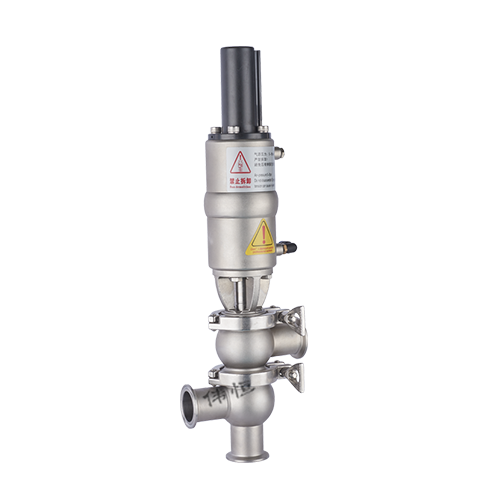
Industrial Valve Installation and Alignment Guide
1. Introduction
Industrial valves are critical components in piping systems, controlling the flow of liquids, gases, and slurries. Proper installation and alignment are essential to ensure optimal performance, longevity, and safety. Incorrect installation can lead to leaks, premature wear, and system failures.
This guide provides a comprehensive overview of best practices for valve installation and alignment, covering preparation, handling, positioning, bolting, and post-installation checks.
---
2. Pre-Installation Preparation
2.1 Valve Inspection
Before installation, inspect the valve for:
- Physical damage (dents, cracks, or corrosion).
- Proper documentation (material certificates, pressure ratings, and test reports).
- Internal cleanliness (remove protective coatings or debris).
2.2 Piping System Readiness
- Ensure the piping is clean and free of welding slag, dirt, or foreign materials.
- Verify pipe flanges are aligned and undamaged.
- Check gasket compatibility with the valve material and process fluid.
2.3 Safety Precautions
- Follow lockout/tagout (LOTO) procedures if working on existing systems.
- Use appropriate personal protective equipment (PPE).
- Ensure the system is depressurized and drained before installation.
---
3. Valve Handling and Positioning
3.1 Lifting and Transport
- Use lifting lugs or slings designed for the valve.
- Avoid lifting by the actuator or handwheel to prevent damage.
- Store valves in a dry, clean environment if not installed immediately.
3.2 Orientation
- Install the valve in the correct flow direction (check arrow markings on the body).
- Ensure proper alignment with the piping system to avoid stress.
- For horizontal pipes, position the valve stem vertically or at a slight angle for ease of operation.
3.3 Flange Alignment
- Misaligned flanges can cause leaks or valve distortion.
- Use alignment pins or temporary bolts to position the valve before final tightening.
- Ensure flange faces are parallel and gaskets are centered.
---
4. Bolting and Torque Procedures
4.1 Gasket Selection and Placement
- Choose the correct gasket material (e.g., graphite, PTFE, spiral wound) for the application.
- Ensure the gasket is undamaged and properly seated.
4.2 Bolt Tightening Sequence
- Follow a cross-pattern tightening sequence to distribute load evenly (see Figure 1).
- Tighten bolts in multiple passes (e.g., 30%, 60%, 100% of final torque).
Example Torque Sequence:
1. Hand-tighten all bolts.
2. Apply 30% torque in a star pattern.
3. Increase to 60% torque in the same pattern.
4. Finalize with 100% torque.
4.3 Torque Specifications
- Refer to the valve manufacturer’s torque recommendations.
- Use a calibrated torque wrench for accuracy.
- Lubricate bolt threads (if specified) to ensure consistent torque application.
---
5. Actuator and Accessory Installation
5.1 Manual Actuators (Handwheels, Levers)
- Ensure smooth operation without binding.
- Position for easy access and ergonomic use.
5.2 Pneumatic/Electric Actuators
- Align the actuator with the valve stem correctly to prevent misalignment stress.
- Follow manufacturer wiring and air supply guidelines.
5.3 Limit Switches and Positioners
- Calibrate according to process requirements.
- Verify signal feedback for automated systems.
---
6. Post-Installation Checks
6.1 Leak Testing
- Conduct a hydrostatic test (water or air) to check for leaks.
- Inspect flange joints, stem seals, and body connections.
6.2 Operational Testing
- Cycle the valve multiple times to ensure smooth operation.
- Check for unusual noises, sticking, or excessive friction.
6.3 Final Documentation
- Record installation details (torque values, test results).
- Update maintenance logs for future reference.
---
7. Common Installation Mistakes and Solutions
| Issue | Cause | Solution |
|-----------|----------|-------------|
| Flange Leaks | Uneven bolt tightening, damaged gasket | Re-torque bolts, replace gasket |
| Valve Sticking | Misalignment, debris in seat | Realign valve, clean internals |
| Excessive Vibration | Poor support, high flow turbulence | Install pipe supports, check flow conditions |
| Actuator Failure | Incorrect voltage/pressure, misalignment | Verify power supply, realign actuator |
---
8. Conclusion
Proper valve installation and alignment are critical for system reliability and safety. Following standardized procedures—such as correct handling, precise bolting, and thorough testing—minimizes risks and extends valve lifespan.
Regular maintenance and adherence to manufacturer guidelines ensure long-term performance. By implementing these best practices, engineers and technicians can optimize industrial valve functionality and prevent costly failures.
---
Appendix: Recommended Tools for Valve Installation
- Torque wrench
- Alignment pins
- Flange spreader
- Gasket scraper
- Calibrated pressure gauges
This guide serves as a general reference; always consult specific valve documentation for detailed requirements.
Tel: +86 577 8699 9257
Tel: +86 135 8786 5766 /+86 137 32079372
Email: wzweiheng@163.com
Address:No. 1633, Yidaoba Road, Binhai Industrial Park, Wenzhou City, Zhejiang Province

Scan wechat
This website uses cookies to ensure you get the best experience on our website.
 Español
 Portugues
 Pусский
 Français
 Deutsch
 한국어
한국어 العربية
 Italiano
 ไทย
ไทย Türk dili
 हिन्दी
 Melayu
 Tiếng Việt
 dansk
dansk қазақ
қазақ বাংলা
বাংলা українська
 Filipino
 o'zbek



 Phone
Phone
Comment
(0)