
 Español
 Portugues
 Pусский
 Français
 Deutsch
 한국어
한국어 العربية
 Italiano
 ไทย
ไทย Türk dili
 हिन्दी
 Melayu
 Tiếng Việt
 dansk
dansk қазақ
қазақ বাংলা
বাংলা українська
 Filipino
 o'zbek
Bottom Electric Tank Ball Valves
Bottom Electric Tank Ball Valves: Features and Applications Bottom electric tank ball valves are specialized valves designed for precise control of fluid flow in storage tanks, particularly in applications where automated operation is essential. These valves combine the reliability of ball valves with the convenience of electric actuation, making them ideal for industrial, commercial, and residential systems. Design and Construction These valves feature a robust ball valve mechanism with an electric actuator mounted on the valve body. The ball inside the valve has a bore that aligns with the flow path when open and rotates 90 degrees to block flow when closed. The electric actuator provides remote or automated control, eliminating the need for manual operation. Key components include: - Sturdy Valve Body: Typically made of brass, stainless steel, or thermoplastics for corrosion resistance. - Electric Actuator: Converts electrical signals into mechanical movement for precise valve positioning. - Seals and Gaskets: High-quality materials like PTFE or EPDM ensure leak-proof performance. - Mounting Configuration: Designed for bottom tank installation, allowing efficient drainage or flow control. Key Features 1. Automated Operation: Electric actuation enables integration with control systems for remote operation, reducing manual intervention. 2. Quick Response: The 90-degree rotation ensures fast opening and closing, minimizing flow disruption. 3. Durability: Resistant to high pressures, temperature variations, and corrosive fluids. 4. Leak-Proof Design: Tight sealing prevents fluid leakage, crucial for hazardous or high-purity applications. 5. Versatility: Suitable for water, oil, gas, chemicals, and other media. Applications Bottom electric tank ball valves are widely used in: - Water Storage Systems: For automated filling and draining in tanks. - Industrial Processes: Controlling fluid flow in chemical, pharmaceutical, and food processing plants. - HVAC Systems: Managing coolant or water distribution. - Fuel Storage: Ensuring safe and efficient fuel transfer. - Wastewater Treatment: Regulating flow in treatment tanks. Advantages Over Manual Valves - Enhanced Efficiency: Automation reduces labor and improves response time. - Improved Safety: Minimizes human exposure to hazardous fluids. - Better Control: Enables integration with sensors and timers for smart system management. Installation and Maintenance Proper installation involves ensuring alignment with the tank outlet and secure electrical connections. Regular maintenance includes inspecting seals, cleaning the valve body, and testing actuator functionality. Conclusion Bottom electric tank ball valves offer a reliable, efficient, and automated solution for fluid control in various industries. Their durability, precision, and adaptability make them indispensable in modern fluid handling systems. Whether for industrial processes or residential water management, these valves provide superior performance and operational convenience.
Products
Category:
-
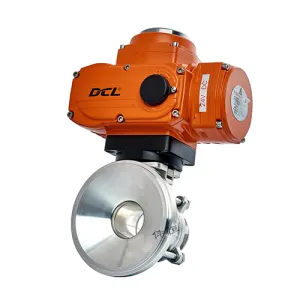
Quick-release ball valve at the bottom of the electric tank
Category: Electric ValveBrowse number: 30Number:Release time: 2025-11-24 11:32:31The quick-release ball valve at the bottom of the electric tank provides efficient and precise discharge control for liquids in industrial electric tanks. Designed for fast operation and secure sealing, this valve ensures leak-proof performance, corrosion resistance, and easy maintenance. Ideal for chemical processing, water treatment, and industrial storage tanks, it allows safe and convenient drainage, reduces downtime, and integrates seamlessly with automated tank systems. Constructed from stainless steel or high-quality alloys, it guarantees durability and long-term reliability under demanding conditions.
News
Category:
No search results found!
Case
Category:
No search results found!
Video
Category:
No search results found!
Download
Category:
No search results found!
Job
Category:
No search results found!
Featured Products
No search results found!



 Phone
Phone