

How to Select Fluorine-Lined Valves for Industrial Use
Product Overview | Maintenance | Transport Precautions | Troubleshooting
Fluorine-lined valves are critical components for industrial applications that require handling highly corrosive chemicals, aggressive solvents, and extreme process conditions. Their unique construction combines a robust metal body with a fluoropolymer lining such as PTFE, PFA, or FEP, offering exceptional chemical resistance, durability, and operational safety. This guide provides a detailed overview of product features, maintenance processes, transport precautions, and common troubleshooting methods, helping engineers, procurement teams, and plant operators make informed decisions.
Fluorine-lined valves are designed to prevent corrosion in pipelines carrying harsh chemicals, including acids, alkalis, and solvents. They are widely used in:
Chemical Processing Plants: Safe handling of corrosive fluids
Petrochemical Facilities: Protection against aggressive hydrocarbons
Water and Wastewater Treatment: Corrosion-resistant pipelines
Pharmaceutical Manufacturing: Ensuring chemical compatibility and hygiene
Fluorine-lined valves typically feature:
| Component | Material | Function |
|---|---|---|
| Valve Body | Stainless steel or carbon steel | Provides mechanical strength and pressure resistance |
| Lining | PTFE, PFA, FEP | Protects against chemical corrosion |
| Seals | PTFE, elastomer, graphite | Ensures leak-proof operation |
| Actuator | Electric, pneumatic, manual | Enables automated or manual operation |
Ball Valves: Quick shut-off and minimal pressure drop
Gate Valves: Full open or close flow control
Globe Valves: Precise flow regulation
Butterfly Valves: Lightweight, cost-effective flow control
Key Advantages:
Excellent chemical and corrosion resistance
High temperature and pressure tolerance
Low maintenance and long service life
Suitable for automation and process control systems
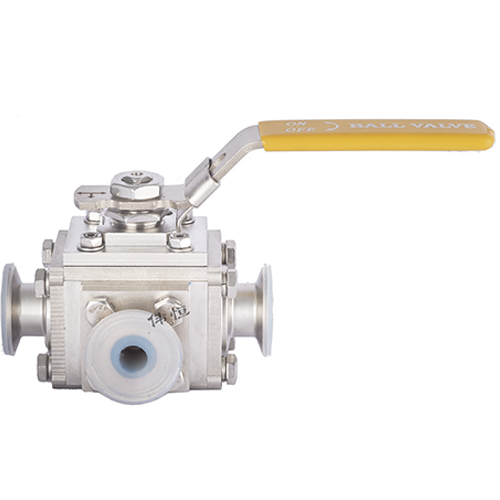
Choosing the right valve requires evaluating several critical factors to ensure compatibility and performance.
Verify that the fluoropolymer lining is compatible with the chemicals handled
Consider multi-component fluids that may affect lining longevity
Ensure valve design ratings exceed maximum system pressure
Confirm lining and body materials can withstand process temperatures
Select valve type based on required flow control, shut-off speed, and process requirements
Evaluate automation options if remote control is needed
Choose seals that are resistant to chemicals and temperature
Consider dynamic or static seal types based on valve operation
Ensure valves are easy to disassemble for inspection and cleaning
Check availability of spare parts from manufacturers
Routine maintenance prolongs valve life and ensures safe operation in industrial applications.
Visual inspection for leaks, damage, or deformation
Operate valve fully to ensure smooth movement
Check actuator function for automated systems
Inspect lining for wear, cracks, or chemical degradation
Check bolts, nuts, and gaskets for proper torque and alignment
Lubricate actuator components as needed
Full disassembly and internal inspection
Pressure and leak testing
Replacement of seals, gaskets, or lining if required
Maintenance Checklist Table:
| Frequency | Task | Notes |
|---|---|---|
| Daily | Visual inspection, actuator check | Look for leaks or damage |
| Weekly | Operate valve fully | Ensure smooth operation |
| Monthly | Check lining and seals | Replace if necessary |
| Annually | Disassemble and test | Hydrostatic or pneumatic testing recommended |
Proper transport and handling prevent damage to the valve lining and ensure operational safety.
Use protective covers on flanges and ports
Package valves in sturdy crates or boxes to prevent impact
Avoid dropping or dragging valves
Use lifting straps or equipment for heavy valves
Prevent scratches or dents to the lining
Store in a dry, clean environment away from direct sunlight
Keep away from strong acids, alkalis, or abrasive materials
Avoid stacking heavy objects on top of valves
Proper installation ensures optimal performance and leak-free operation.
Confirm valve specifications match process pressure, temperature, and chemical requirements
Inspect valves for transport damage, scratches, or contamination
Verify flange, thread, and actuator compatibility
Pipeline Preparation: Clean and flush pipelines to remove debris
Positioning: Ensure correct flow direction marked on the valve body
Gasket Installation: Use chemical-resistant gaskets between valve and flanges
Bolt Tightening: Tighten evenly in a cross pattern to recommended torque
Actuator Connection: Attach pneumatic, electric, or manual actuators as required
Leak Testing: Conduct hydrostatic or pneumatic testing before commissioning
Check full opening and closing operations
Confirm actuator and control system integration
Verify flow rate and pressure drop match design requirements
Understanding common problems helps maintain operational reliability.
| Issue | Possible Cause | Recommended Solution |
|---|---|---|
| Leakage | Damaged lining or seal | Replace lining or gasket, retest |
| Sticking Valve | Debris in valve or actuator failure | Clean internal parts, service actuator |
| Pressure Drop | Partial blockage or misalignment | Inspect pipeline, realign valve |
| Corrosion | Chemical incompatibility | Verify lining material, upgrade if needed |
| Noise or Vibration | Flow turbulence or actuator issue | Adjust flow, service actuator |
High-quality fluorine-lined valves meet strict industry standards.
Visual Inspection: Check for scratches, cracks, or dents
Pressure Test: Hydrostatic or pneumatic test at 1.5x design pressure
Dimensional Check: Verify flanges, threads, and actuator connections
Lining Adhesion: Ensure no delamination under pressure
Functional Test: Confirm smooth operation and leak-free performance
ISO 9001: Quality management system compliance
API 600 / 602: Industrial valve standards
CE / PED: European pressure equipment directives
FDA / USP: Pharmaceutical or food-grade applications
Client: Medium-scale chemical plant handling hydrochloric and sulfuric acids
Challenge: Frequent valve replacement due to chemical corrosion
Solution: Installed PTFE-lined ball and gate valves with stainless steel bodies
Outcome:
Leak-free operation under aggressive chemical exposure
Reduced maintenance downtime by 35%
Improved safety and compliance with ISO and API standards
Easy inspection and cleaning with minimal downtime
This demonstrates the value of selecting the correct fluorine-lined valve for industrial use.
Selecting the right fluorine-lined valve requires careful consideration of:
Chemical compatibility with process fluids
Pressure and temperature ratings of valve and lining
Valve type suited to flow control needs
Maintenance and transport precautions
By following proper installation, maintenance, and inspection practices, industrial operators can ensure safe, efficient, and long-lasting valve performance in corrosive chemical environments.
Tel: +86 577 8699 9257
Tel: +86 135 8786 5766 /+86 137 32079372
Email: wzweiheng@163.com
Address:No. 1633, Yidaoba Road, Binhai Industrial Park, Wenzhou City, Zhejiang Province

Scan wechat
This website uses cookies to ensure you get the best experience on our website.
 Español
 Portugues
 Pусский
 Français
 Deutsch
 한국어
한국어 العربية
 Italiano
 ไทย
ไทย Türk dili
 हिन्दी
 Melayu
 Tiếng Việt
 dansk
dansk қазақ
қазақ বাংলা
বাংলা українська
 Filipino
 o'zbek



 Phone
Phone
Comment
(0)