

Industrial-Grade Valves for High-Pressure Applications
Customer Feedback | Maintenance Procedures | Core Advantages | Upgrade Solutions
High-pressure industrial valves are a critical component in systems that manage demanding fluid and gas operations across oil and gas, chemical, power generation, and petrochemical industries. These valves are engineered to operate under extreme pressures, high temperatures, and corrosive environments, ensuring safety, reliability, and long-term performance.
This guide provides an in-depth look at industrial-grade valves for high-pressure applications, highlighting customer feedback, maintenance workflows, core performance advantages, and upgrade solutions, offering practical insights for engineers, plant managers, and procurement professionals.
Industrial valves designed for high-pressure applications are engineered to maintain precise flow control while withstanding demanding operational conditions. Key applications include:
Oil and Gas Pipelines – managing crude oil, natural gas, and refined products
Chemical Plants – handling corrosive and high-temperature fluids
Power Generation – controlling steam and water flow in boilers and turbines
Petrochemical Facilities – ensuring safe transport of volatile substances
Material and Design Considerations:
Body Materials: Stainless steel, carbon steel, alloy steel
Sealing Components: Metal-to-metal, PTFE, or reinforced elastomers
Pressure Rating: Typically ANSI Class 600–2500
Temperature Tolerance: -196°C to 600°C depending on design
High-pressure valves are typically categorized as gate, globe, ball, check, and control valves, each offering specific advantages for different pipeline configurations and operational needs.
Customer feedback plays a critical role in understanding performance and reliability in real-world applications.
| Feature | Customer Feedback | Benefits Highlighted |
|---|---|---|
| Durability | “Operates flawlessly under extreme pressures for years” | Long service life, minimal replacements |
| Precision | “Flow control is highly accurate even at peak pressure” | Reduced wastage and improved process control |
| Material Quality | “No signs of corrosion in chemical applications” | Safety and compliance with industry standards |
| Easy Maintenance | “Disassembly and cleaning are straightforward” | Reduced downtime and operational costs |
Installation Training: Some customers highlighted the need for guided installation support for high-pressure systems.
Spare Part Availability: Ensuring rapid access to gaskets, seals, and actuator components.
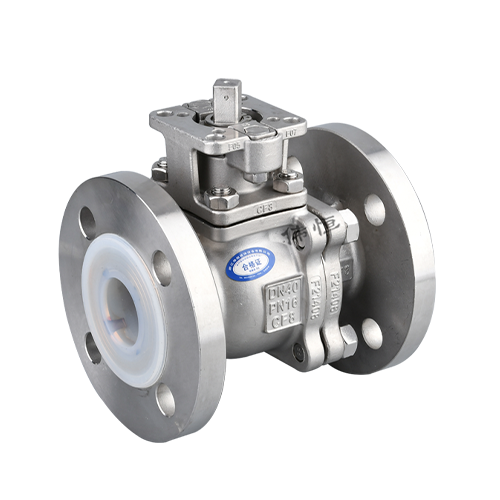
Proper maintenance is critical for high-pressure valves to ensure longevity, safety, and optimal performance.
Visual inspection for leaks, corrosion, or deformation
Check actuator operation and control signals
Monitor pressure and temperature performance against design specifications
Isolation: Shut down the section of the pipeline and depressurize the system
Disassembly: Remove the valve body, actuators, and sealing components carefully
Cleaning: Remove deposits, scale, and corrosion from internal surfaces
Inspection: Examine seating surfaces, stems, and gaskets for wear
Replacement: Replace damaged seals, gaskets, and other worn components
Reassembly and Testing: Reinstall the valve, conduct hydrostatic or pneumatic pressure testing
Documentation: Record maintenance actions for quality control and compliance
Immediately isolate the affected valve to prevent leakage or pressure hazards
Use a temporary bypass line if necessary to maintain process continuity
Replace critical components using certified spare parts
Conduct post-repair testing before resuming full operation
Industrial-grade valves for high-pressure applications offer several key advantages that enhance operational efficiency and safety.
Designed to handle high pressures without failure
Metal-to-metal sealing and reinforced elastomers reduce risk of leakage
Compliant with API, ANSI, and ASME standards for industrial safety
Resistant to corrosion, erosion, and thermal stress
Suitable for continuous operation in harsh environments
Long service intervals reduce downtime and maintenance costs
Gate and globe valves provide regulated flow and pressure control
Ball and control valves enable quick shut-off and modulation
Automated actuators allow precise remote operation
Suitable for high-pressure gas, liquid, and steam applications
Compatible with pipelines ranging from small bore to large diameter
Can be integrated with SCADA and process automation systems
Modernization and upgrades help improve performance, reduce downtime, and extend valve service life.
Installing pneumatic, hydraulic, or electric actuators for automated control
Integrating feedback sensors for real-time monitoring and remote operation
Benefits: improved process efficiency, reduced manual intervention
Upgrading from traditional elastomer gaskets to PTFE or reinforced composite seals
Metal-to-metal seating for extreme pressure applications
Benefits: higher leak resistance, longer seal life
Replacing standard carbon steel with stainless steel or alloy materials
Enhanced corrosion resistance for chemical or offshore environments
Benefits: extended operational life, reduced maintenance frequency
Replacement of worn internal components with certified retrofit kits
Upgrades include stems, seat rings, and packing sets
Benefits: cost-effective performance improvement without full valve replacement
Proper installation is crucial for high-pressure valve performance and safety.
Verify valve specifications against system requirements (pressure, temperature, flow)
Inspect for transportation damage or debris
Ensure compatibility with piping flanges, fittings, and actuators
Align the valve body with the pipeline
Insert appropriate gaskets or seals
Tighten bolts evenly to recommended torque values
Verify actuator alignment and control connections
Conduct hydrostatic or pneumatic testing to confirm leak-free installation
Pressure tests at 1.5x the working pressure
Function tests for opening/closing cycles
Verification of actuator responsiveness and control system integration
Client: Petrochemical processing facility handling high-pressure hydrocarbon lines
Objective: Ensure reliable valve operation under 1500 psi and high-temperature conditions
Solution: Installed industrial-grade globe and ball valves with PTFE seals and stainless steel bodies, integrated with automated pneumatic actuators
Outcome:
24/7 leak-free operation for 18 months
Reduced maintenance downtime by 30%
Improved process control with automated feedback integration
Customer satisfaction score: 9.5/10
This case demonstrates the critical role of high-pressure valves in enhancing safety, reliability, and process efficiency.
| Issue | Cause | Solution |
|---|---|---|
| Leakage | Worn gasket or misalignment | Replace gasket, realign valve, retest |
| Sticking or slow operation | Corrosion, debris, or actuator malfunction | Clean internals, service actuator, lubricate components |
| Pressure drop | Partial blockage or valve seat damage | Clean or replace seat, inspect pipeline |
| Vibration noise | Flow turbulence or improper installation | Re-align valve, install support brackets |
| Stem leakage | Packing wear | Replace packing or upgrade seal system |
Preventive Measures:
Regular inspection and scheduled maintenance
Use high-quality certified replacement parts
Monitor valve performance and integrate predictive maintenance tools
Industrial-grade valves for high-pressure applications are essential for safe, reliable, and efficient operation in demanding industries such as oil and gas, petrochemical, and power generation. By focusing on customer feedback, proper maintenance procedures, core performance advantages, and upgrade solutions, operators can maximize valve longevity, maintain process integrity, and reduce operational risks.
Tel: +86 577 8699 9257
Tel: +86 135 8786 5766 /+86 137 32079372
Email: wzweiheng@163.com
Address:No. 1633, Yidaoba Road, Binhai Industrial Park, Wenzhou City, Zhejiang Province

Scan wechat
This website uses cookies to ensure you get the best experience on our website.
 Español
 Portugues
 Pусский
 Français
 Deutsch
 한국어
한국어 العربية
 Italiano
 ไทย
ไทย Türk dili
 हिन्दी
 Melayu
 Tiếng Việt
 dansk
dansk қазақ
қазақ বাংলা
বাংলা українська
 Filipino
 o'zbek



 Phone
Phone
Comment
(0)