

Top Benefits of Using Stainless Steel Sanitary Valves in Brewing Systems
Energy-Saving Standards | Maintenance Cycles | Packaging Specifications | Usage Precautions
Stainless steel sanitary valves play a crucial role in beer production, ensuring hygienic fluid control, consistent flavor quality, and safe brewing operations. From mash transfer to fermentation, carbonation, and final packaging, breweries rely on sanitary valves to maintain clean environments and precise flow management. Stainless steel—especially grades like 304 and 316L—offers superior corrosion resistance, high durability, and excellent compatibility with CIP/SIP cleaning chemicals, making it the material of choice for modern brewing systems.
This comprehensive guide explains the top benefits of using stainless steel sanitary valves in brewing applications and provides detailed insights into energy-saving standards, maintenance requirements, packaging options, and essential usage guidelines.
Brewing is a delicate process that requires strict hygiene, accurate temperature control, and reliable protection against contamination. Sanitary valves are essential components used to regulate, direct, and isolate wort, mash, yeast, cleaning solutions, and finished beer.
Stainless steel sanitary valves are widely preferred in the brewing industry because they offer:
Smooth, crevice-free surfaces for easy cleaning
Full-port design for efficient liquid flow
Exceptional resistance to acidity, alcohol, and cleaning solutions
Long operational life with minimal maintenance
Compatibility with both manual and automated brewing systems
For breweries focused on quality, production consistency, and operational efficiency, stainless steel sanitary valves provide a reliable and hygienic solution.
Beer production involves acidic compounds, fermentation gases, alcohol, and frequent exposure to cleaning chemicals. Stainless steel—particularly 316L—offers strong resistance to:
Acids in wort
Organic acids from yeast fermentation
Caustic CIP cleaning solutions
High-temperature steam sterilization
This ensures valves maintain structural integrity and hygienic performance over years of use.
Breweries require equipment that prevents contamination and supports strict microbial control. Stainless steel sanitary valves are polished to a low surface roughness, reducing bacteria growth and simplifying cleaning.
Hygienic design features include:
Smooth internal surfaces
Full-bore flow paths
Encapsulated seals (optional)
Dead-zone-free construction
These improvements help ensure consistent beer quality and reduce spoilage risks.
Sanitary valves often operate continuously under high pressure, varying temperatures, carbonation, and frequent cleaning cycles. Stainless steel has a long lifespan and retains its structural strength even under demanding conditions.
Breweries benefit from:
Reduced replacement parts
Lower annual maintenance costs
Fewer shutdowns during peak production
Clean-in-place (CIP) and steam-in-place (SIP) processes are fundamental to brewery hygiene. Stainless steel valves withstand:
High-pressure steam
High-temperature alkaline detergents
Acid rinses
Rapid temperature changes
This compatibility helps breweries maintain sanitation without removing or disassembling valves.
Modern stainless steel sanitary valves are designed to support energy-efficient brewery operations.
Key energy-saving benefits include:
Optimized flow paths reduce pumping load
Low torque requirements decrease actuator energy consumption
Leak-free sealing minimizes product loss
High thermal stability lowers heater power usage during CIP cycles
Breweries aiming for green production and lower operating costs benefit greatly from these efficiencies.
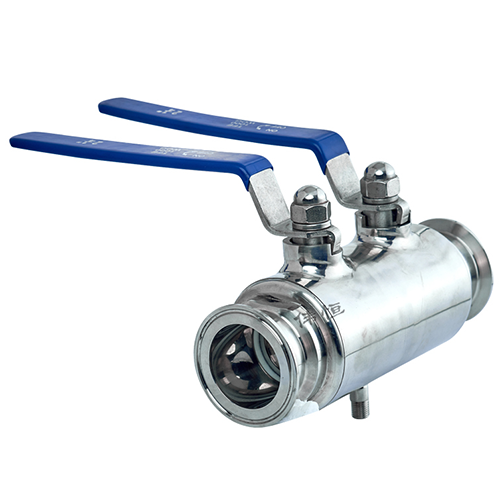
Breweries often adopt equipment that meets global energy-efficiency and sustainability guidelines. Stainless steel sanitary valves support compliance with:
| Standard / Certification | Description | Relevance to Brewing |
|---|---|---|
| ISO 50001 Energy Management | Framework for improving energy performance | Helps breweries reduce energy consumption |
| EU Eco-Design Guidelines | Promotes energy-efficient industrial equipment | Applies to automated valve actuators |
| 3A Sanitary Standards | Ensures hygienic design with minimal waste | Reduces cleaning energy usage |
| EHEDG Guidelines | Hygienic engineering for food and beverage | Improves cleaning efficiency and sanitation |
Brewing valves meeting these standards contribute to:
Lower heating and cooling loads
Reduced water usage during CIP
Decreased pump energy requirements
Less beer loss during switching operations
Maintaining sanitary valves properly extends service life and ensures microbiological safety in brewing systems. Stainless steel valves generally require minimal maintenance, but regular inspections are essential.
| Maintenance Task | Recommended Frequency | Description |
|---|---|---|
| Visual inspection | Monthly | Check for leaks, cracks, corrosion |
| Seal replacement | Every 6–12 months | Replace gaskets, O-rings, and seats |
| Lubrication (manual valves) | Every 6 months | Apply food-grade lubricant to handle and stem |
| Full disassembly cleaning | Every 12 months | Inspect internal parts and flow path |
| Actuator calibration | Every 6–12 months | Ensure automated valves open/close correctly |
Always use OEM-certified seals made from FDA-approved materials
Record valve inspection data as part of brewery quality management
Train operators to identify early signs of seal wear or leaks
Clean valves immediately after sticky liquids like sweet wort are processed
A well-maintained stainless steel valve can operate efficiently for 10–15 years in a brewery environment.
Sanitary valves must be packaged carefully to prevent contamination, impact damage, and surface scratches before installation in brewing systems. Most manufacturers follow strict export-grade packaging procedures.
| Packaging Item | Purpose |
|---|---|
| Polyethylene bag | Prevents dust and moisture contamination |
| Valve protection caps | Protects tri-clamp or weld ends |
| Shock-resistant foam | Absorbs vibration and impact |
| Individual carton box | Suitable for small valves |
| Export wooden crate | Used for bulk shipments |
| Labeling and QC certification | Confirms inspection, material grade, batch number |
Breweries may request customized packaging such as:
Vacuum-sealed hygienic packaging
Color-coded boxes for different valve sizes
Sterilized packaging for aseptic environments
Palletized export packaging
Proper packaging ensures valves arrive clean, undamaged, and ready for installation.
To maintain hygienic integrity and extend the lifespan of stainless steel valves, breweries should follow essential usage precautions.
Verify valve material (304/316L) and connection type match system requirements
Ensure all weld ends and clamp ferrules are protected until installation
Clean the valve interior using sanitized water or brewing-grade cleaning solutions
Check for shipping damage or missing components
Align valves precisely with pipe centers to prevent mechanical stress
Use correct gasket material (EPDM, PTFE, Viton) based on brewing temperature
Avoid overtightening tri-clamps to prevent gasket deformation
For automated valves, verify correct air supply pressure
Avoid sudden pressure surges that can damage seals
Ensure valves are fully opened or fully closed during brewing
Do not operate valves at temperatures above their rated limits
Monitor carbonation pressure when used in brite beer or fermentation tanks
Confirm seal material compatibility with caustic and acid cleaners
Avoid exposing valves to rapid thermal shock
Ensure complete valve actuation to allow cleaning fluid penetration
Rinse thoroughly after chemical cleaning to avoid taste contamination
Store in a dry, ventilated environment
Use protective caps to prevent dust ingress
Avoid contact with corrosive chemicals until installation
By following these usage precautions, breweries can maintain optimal valve performance and ensure consistent brewing quality.
| Feature | Stainless Steel | Brass/Bronze | Plastic (PVC/PP) |
|---|---|---|---|
| Corrosion Resistance | Excellent | Moderate | Low in hot/caustic systems |
| Temperature Resistance | High | Medium | Low |
| Hygiene Level | Excellent | Low | Low |
| CIP/SIP Compatibility | Fully compatible | Partially | Not suitable |
| Lifespan | 10–15 years | 3–5 years | 1–2 years |
| Brewing Suitability | Best choice | Rarely used | Not recommended |
Stainless steel valves clearly outperform other materials in all brewing categories.
Stainless steel sanitary valves are an essential component of any modern brewing system. Their durability, corrosion resistance, hygienic design, and compatibility with CIP/SIP processes make them the most reliable option for controlling fluid flow in beer production. Beyond standard performance, stainless steel valves also support energy-saving goals, reduce operational costs, and ensure consistent product quality.
By understanding energy-efficiency standards, proper maintenance cycles, packaging options, and essential usage precautions, breweries can optimize valve performance and maintain safe, efficient brewing operations. For craft breweries, industrial beer producers, and beverage plants alike, stainless steel sanitary valves provide unmatched advantages in reliability, hygiene, and operational stability.
Tel: +86 577 8699 9257
Tel: +86 135 8786 5766 /+86 137 32079372
Email: wzweiheng@163.com
Address:No. 1633, Yidaoba Road, Binhai Industrial Park, Wenzhou City, Zhejiang Province

Scan wechat
This website uses cookies to ensure you get the best experience on our website.
 Español
 Portugues
 Pусский
 Français
 Deutsch
 한국어
한국어 العربية
 Italiano
 ไทย
ไทย Türk dili
 हिन्दी
 Melayu
 Tiếng Việt
 dansk
dansk қазақ
қазақ বাংলা
বাংলা українська
 Filipino
 o'zbek



 Phone
Phone
Comment
(0)